0
Bespoke haulage you can rely on
0
Years of proven industry expertise
0
Sq Ft of secure warehousing
0
Vehicles in our powerful fleet
FORS
Silver accredited
Customer Login Employee Login
Motif

Practical Sustainability: How Joda Freight is Investing in a Lower-Carbon Future

Author Written By: Kieron Talbot-Sykes
Date September 28, 2026

Practical Sustainability: How JODA Freight Is Investing in a Lower-Carbon Future

Sustainability is becoming an increasingly important consideration across the logistics industry, but for businesses operating a fleet of heavy goods vehicles, moving towards lower-carbon operations isn’t always straightforward.At JODA Freight, we recognise that transport is an industry that creates emissions, and while diesel trucks remain an operational necessity for much of our work, we believe there are practical changes we can make to reduce our environmental impact.That’s why we’ve invested £250,000 in forklift trucks and solar panels and are continuing to invest in and explore ways to make our operations more efficient, sustainable and future-ready.
Practical Sustainability: How JODA Freight Is Investing in a Lower-Carbon Future
Investing in solar power
Motif

Investing in solar power

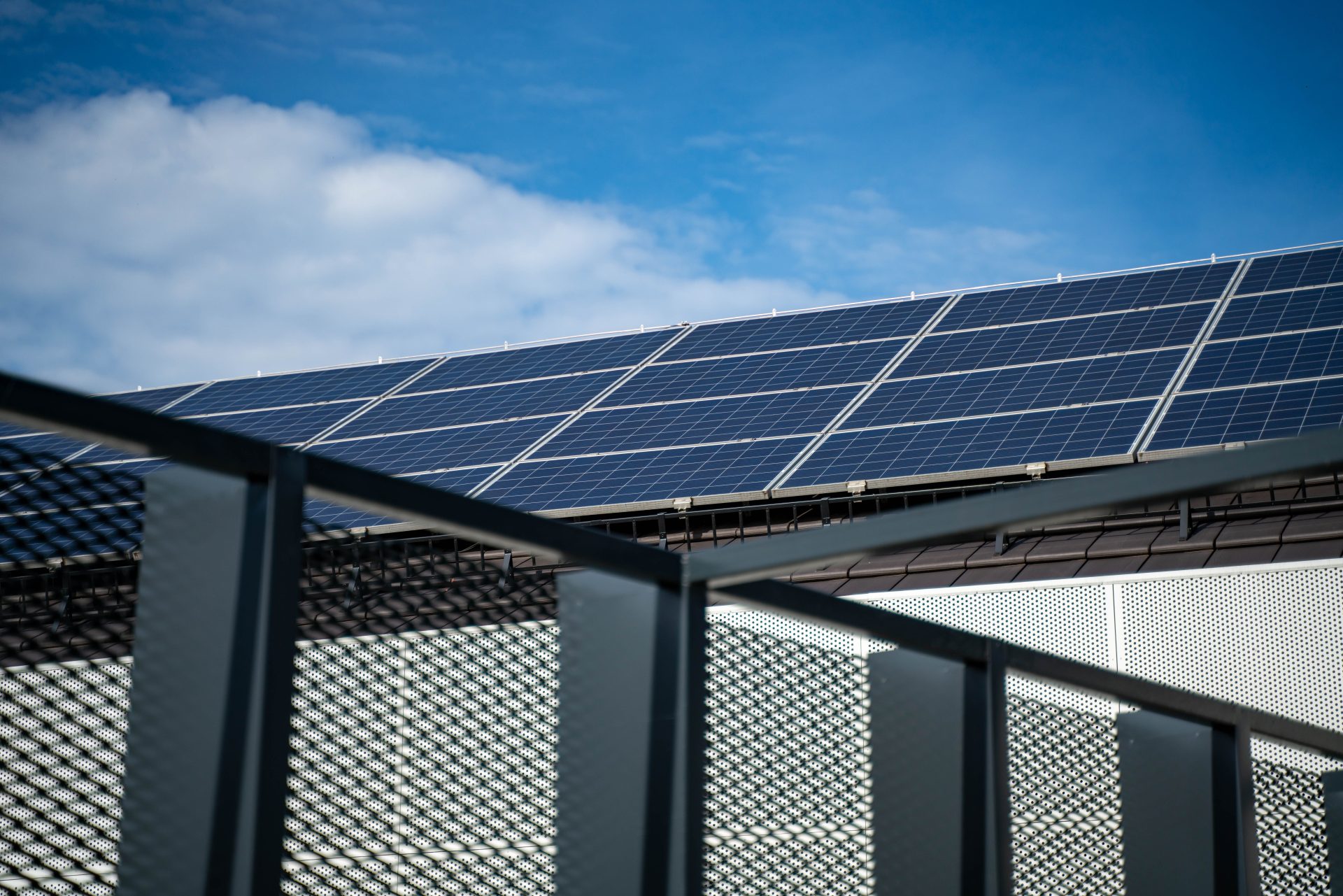
One of the biggest steps we’re taking is our investment in solar power at our head office and warehouse facilities.The project is being delivered in phases, with solar panels initially installed across half of the available roof space. The first day of generation produced more power than we used, giving us an encouraging indication of what the system can achieve.The next stage will depend on improvements in battery storage technology. We want to be able to store the energy generated during the day and use it when it’s needed, including for charging electric vehicles and forklift trucks.Once the technology becomes more accessible and cost-effective, our ambition is to complete the installation across the remaining roof space.Ultimately, we want our head office to generate enough renewable electricity to power our offices and warehouses, charge our electric forklift fleet and support the electric vehicles we bring onto the fleet, with the potential to put excess energy back into the grid during the summer months.

Moving our forklift fleet to electric

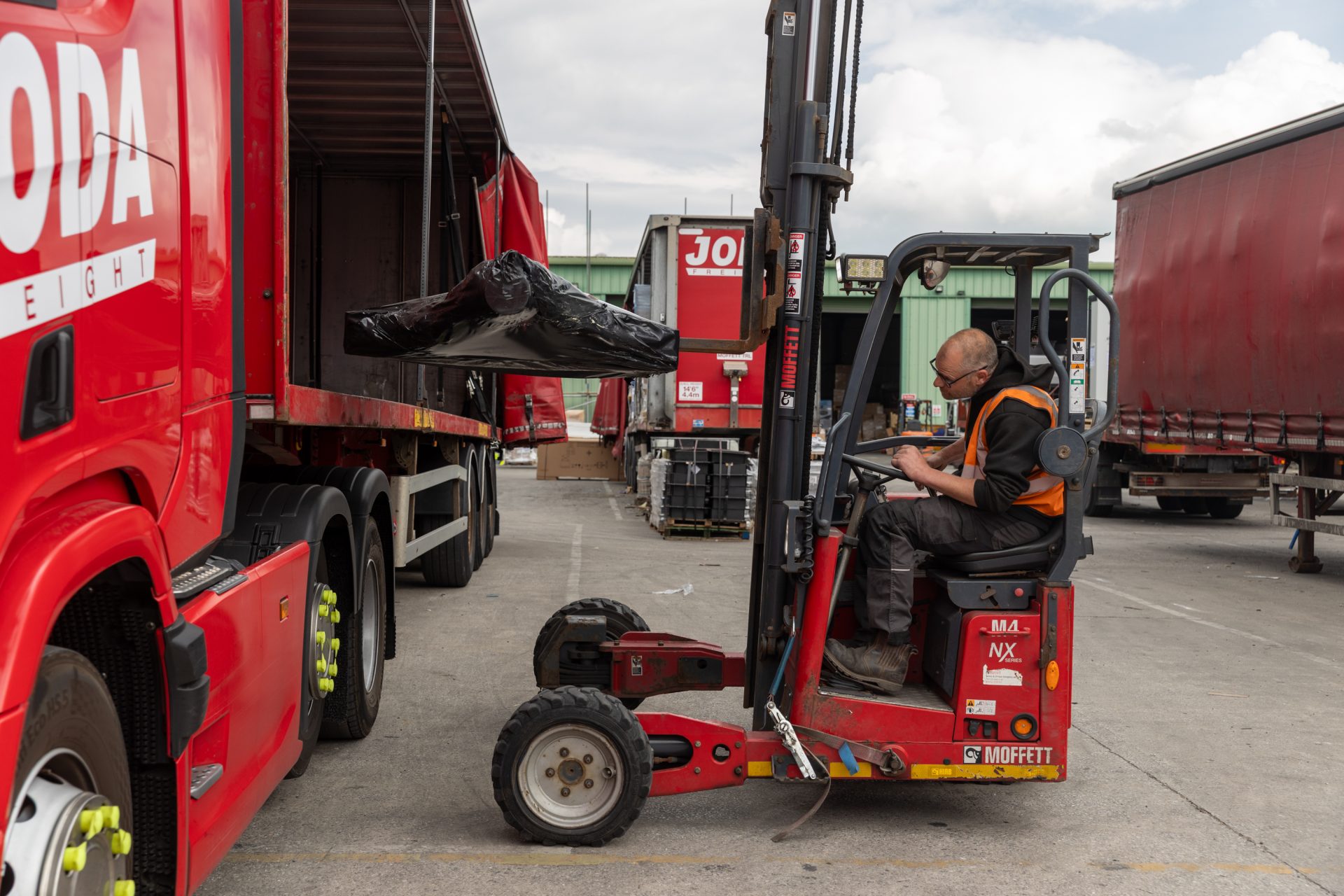
We’ve already replaced our diesel forklift trucks with electric models across three of our sites.The move has brought some immediate benefits to our warehouse operations. The electric forklifts are quieter and cleaner, creating a more pleasant working environment for our teams, as well as being cheaper to run.There are still operational considerations to work through. Our head office includes a significant amount of external work, where electric forklifts haven’t always been the most suitable option.We’re currently trialling a new model designed to overcome these challenges. If it performs as expected, our aim will be to move towards an entirely electric forklift fleet.
Moving our forklift fleet to electric
Taking practical steps with our vehicle fleet
Motif

Taking practical steps with our vehicle fleet

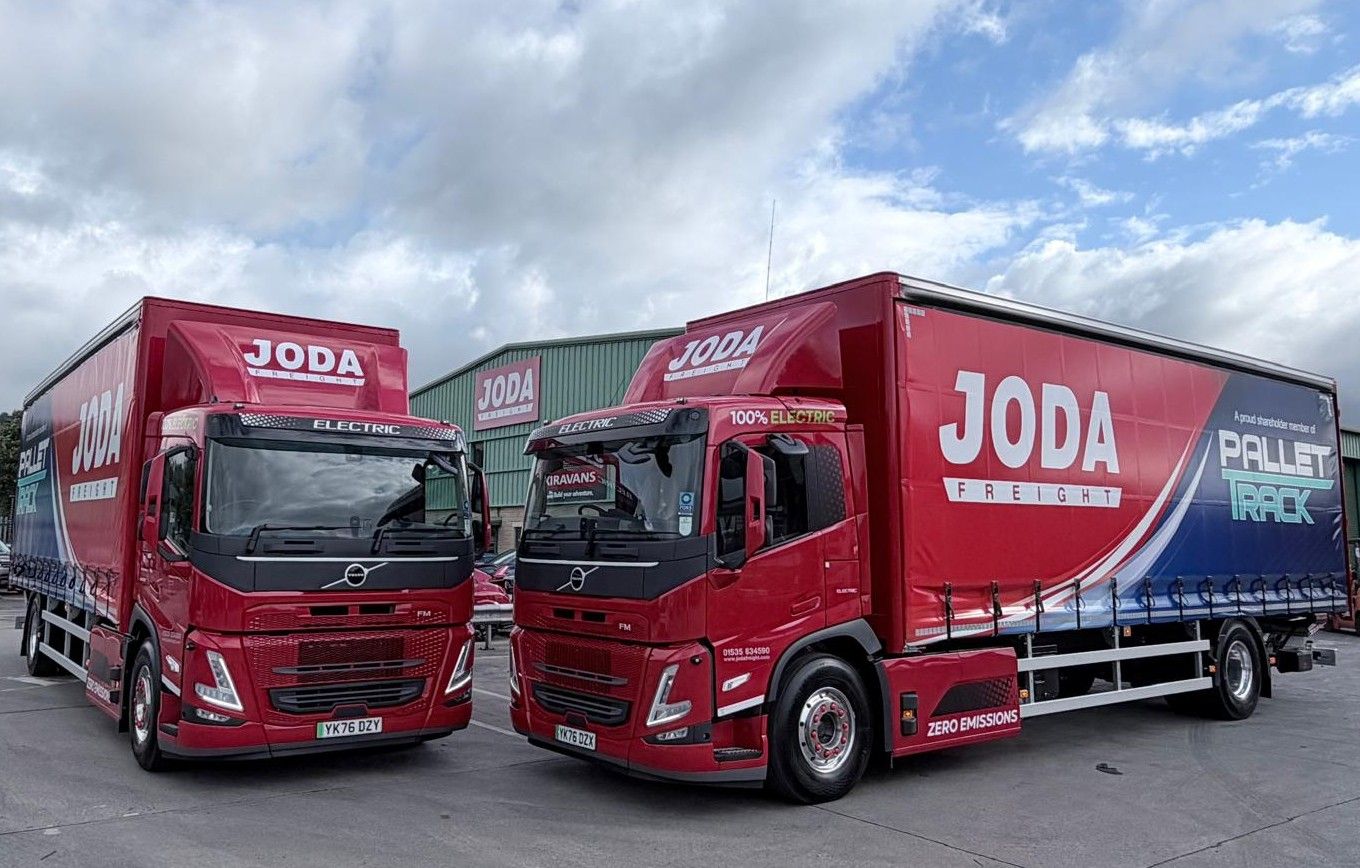
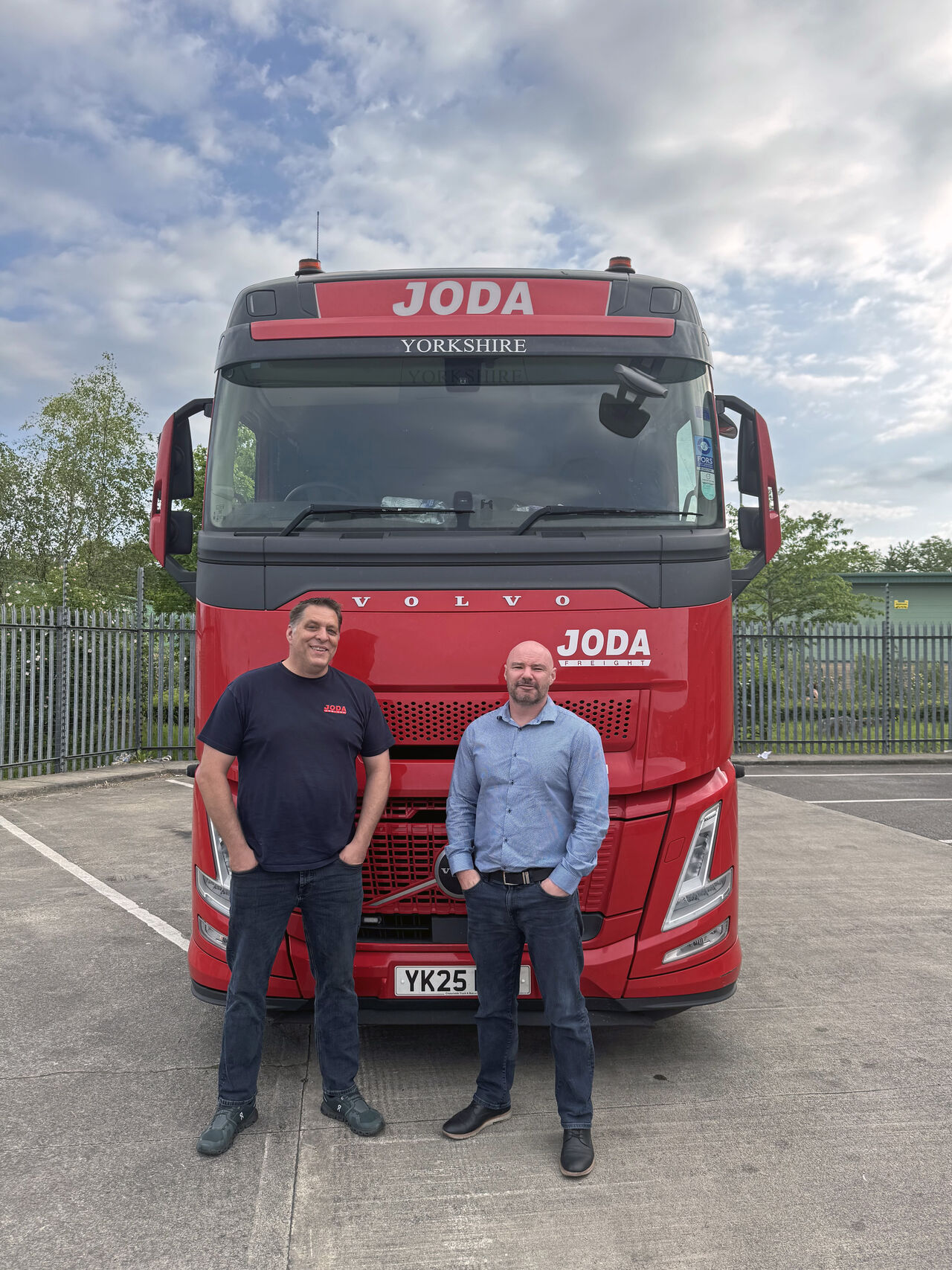
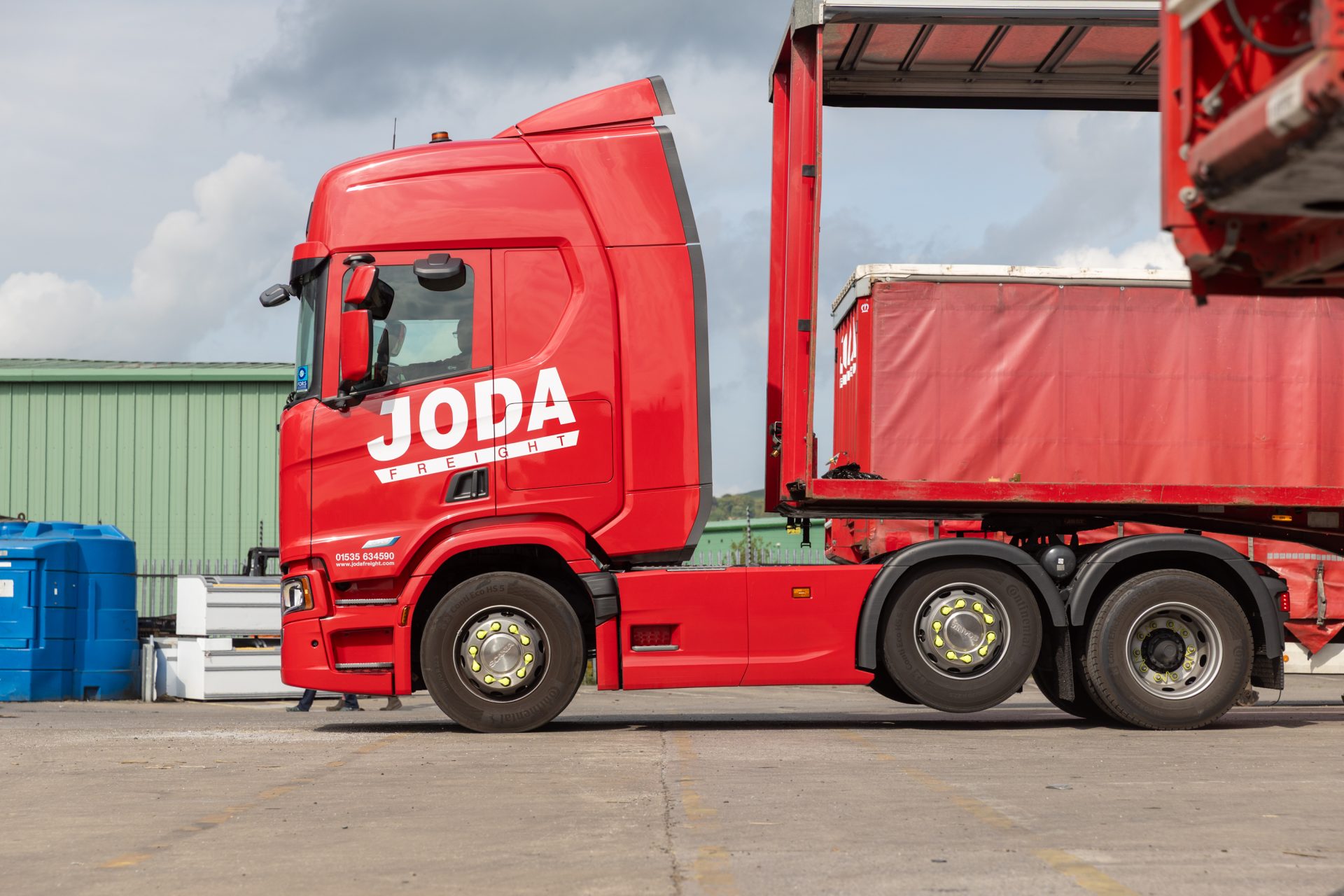
The transition to electric isn’t as simple when it comes to long-distance freight.At present, electric HGV technology doesn’t provide the range we need for our longer-distance operations, while charging infrastructure and the cost of the vehicles also remain significant considerations.Rather than making a change that doesn’t work operationally, we’re taking a practical approach.Two new rigid Volvo electric vehicles are planned for our fleet later this year. These will be used for local work as part of our Pallet-Track operation around Leeds, where their expected range makes them a suitable option.For our longer-distance fleet, we’re continuing to invest in some of the most fuel-efficient vehicles available. Over the past two years, we’ve moved towards the Volvo FH Aero, which provides an improvement of more than 1 MPG.When you consider the number of miles covered by our fleet, even a relatively small improvement in fuel efficiency can make a significant difference to both fuel consumption and carbon emissions.For us, this is an important part of sustainability: making improvements that work at the scale we operate.

Giving customers better visibility of their carbon footprint

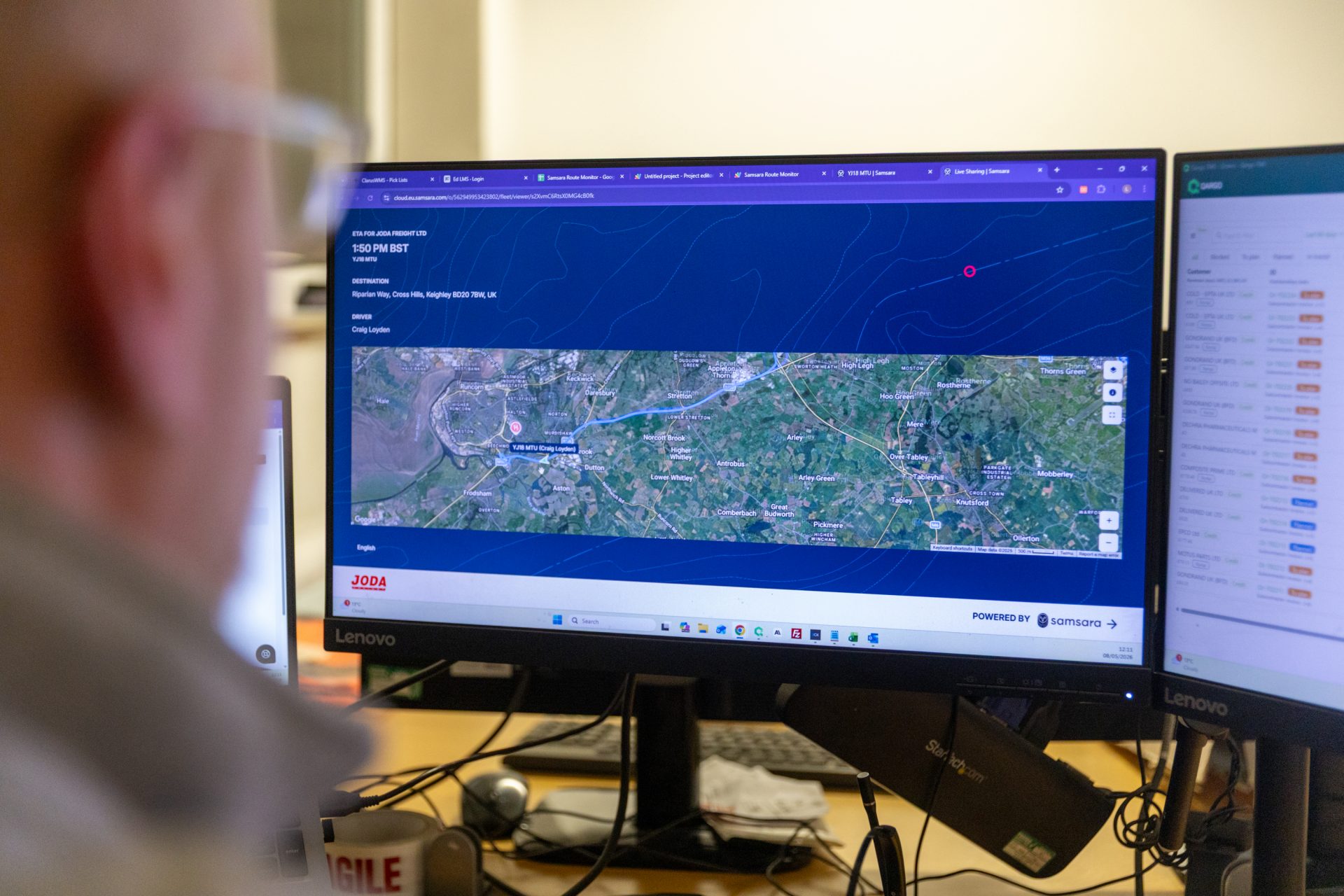
Sustainability isn’t only about the vehicles and equipment we operate. It’s also about giving our customers the information they need to understand the environmental impact of their logistics.Customer expectations are changing, and we’re increasingly seeing businesses ask for evidence of green credentials before considering new suppliers.That’s why we’ve invested in our transport management systems to provide accurate carbon footprint reporting for individual customers.The system can generate reports based on the logistics activity carried out for each customer, providing data rather than relying on generic estimates.This gives our customers greater visibility of their logistics carbon footprint and supports them in understanding the environmental impact of their supply chain.It’s also becoming an increasingly important part of how we retain and win business. We know that our approach to carbon reduction has helped us retain customers, and in some cases has played a role in winning new business.
Giving customers better visibility of their carbon footprint
Sustainability and future growth
Motif

Sustainability and future growth

For us, sustainability isn’t a standalone initiative. It is becoming an important part of how we plan for the future of JODA Freight.Many of our customers are actively looking for more sustainable supply chain partners, and we believe businesses across the logistics industry will need to continue adapting to meet those expectations.We don’t believe sustainable growth and commercial growth are separate goals. In fact, we believe investment in reducing our environmental impact will be increasingly important to our ability to grow.Our plans over the next few years will continue to focus on practical improvements that make sense for our operations, our customers and our people.There are also opportunities to consolidate our warehouse estate in the future. If we move towards operating from our head office and one larger warehouse, we’ll look at the potential to introduce solar generation at the additional site too.

A greener future

There is still a long way to go, and the pace of change will depend partly on how electric vehicle, battery storage and other technologies develop.Our five-year ambition is to have a head office powered entirely by our own solar-generated electricity, a fully electric forklift fleet and elements of our van fleet transitioned to electric.The future of our HGV fleet will depend on the technology available, particularly around vehicle range, charging infrastructure and cost.In the meantime, we’ll continue doing what we believe works best: making practical changes, investing in more efficient technology and using accurate data to understand where we can reduce our impact.For JODA Freight, sustainability isn’t about making promises that don’t reflect the realities of logistics. It’s about making genuine improvements today, while continuing to invest in what comes next.Contact us to discuss your logistics requirements.
A greener future
Kieron Talbot-Sykes
Written by
Kieron Talbot-Sykes
Owner

Contact Us

Required
Required
Required
Required
Required

Contact Us

Fill out our contact form below with your enquiry and one of our team will get back to you shortly.

Required
Required
Required
Required
Required